Friday, January 31, 2014

...and Agalloch are putting out a new record too!


        Not to be outdone by their countrymen in Wolves in the Throne Room, the Oregonians in Agalloch have formally announced the release of their fifth record The Serpent & the Sphere, to mass expectorations from anyone who has decent taste in metal. Riding the coattails of their 2010 opus Marrow of the Spirit, and the 22-minute one-song EP Faustian Echoes, the Serpent & the Sphere will undoubtedly continue to show the band's evolution as one of the driving forces behind atmospheric black and folk metal. 
        The record is slated for release on May 13th through Profound Lore. Personally, with releases from Alcest, Opeth, WITTR, and Woods of Desolation on the horizon, this is going to be a year to wander and wax melancholy in the forest.


Wednesday, January 29, 2014

Wolves in the Throne Room are releasing a new album, and it's not what you'd expect


          Everyone's favorite black metal hippy duo, and one of the most recognizable faces of the 'Cascadian' movement, are back. Wolves in the Throne Room's hypnotic, atavistic chants have become one of the genre's staples. After 2011's Celestial Lineage, WITTR abruptly vanished, leaving behind an enthralled audience that became more and more despondent that the band was gone for good.
          But just as suddenly as they disappeared, the Weaver brothers have returned. Their new record, entitled Celestite, was formally announced today, and with it came some truly startling news. WITTR's new outing will feature neither drums nor vocals. While I'm sure as hell not surprised, given how Celestial Lineage's more ambient portions featured neither, focusing on the haunting resonance of the deep forest, I can't help but be a little bit disappointed. Several of my favorite songs by the band have featured percussion in no small amount, and the band's epic shrieks were as eloquent as they were primal and cathartic. While WITTR have shown themselves to not be unskilled in the realm of ambience, I can't help but wonder if an entire album of it will stay fresh.
          Celestite has no release date as of writing, but I'll be sure to keep people posted.

Monday, January 27, 2014

Year in Review - the Releases of September 2013

Sorry for the delay, guys. School has been more work than anticipated.

Chelsea Wolfe – Pain is Beauty
Genre: Various

         As harrowing, cold and windswept as any Norwegian snow-demon, Chelsea Wolfe's dark sonic webs are known for a sinister murk to their melancholy solitude. The Californian singer-songwriter's music's ability to transcend genres echoes Baroness, but there is no warmth and color in the bleak corridors of Pain is Beauty, her newest outing from Sargent House. Instead, there's the sense that Wolfe is alone in a very dark corridor singing her eerie, spine-tingling melodies into total abrupt silence.
        Opener 'Feral Love' is unafraid to peel back the delicate electronic stabs and show that there is nothing but pure, black silence underneath. 'House of Metal' simultaneously encompasses both indie dejection and gothic candlelight, with layers of instruments building on each other and Wolfe's haunting vocals the unifying constant. It's not dissonant in that there's an order within the chaos – the various pounds of the drum and glockenspiel align perfectly, lending the song an air of frigid distance.
           Wolfe sums up her album best on 'the Warden': “It's cold”. As a black metal fan, I'm no novice to music trying to convey wintery chills – but Wolfe's take on conveying misty January sunsets is a breath of fresh air. Whether it's through the echo of her voice, or the swelling synths and distance Wolfe puts between herself and the listener, there's almost an intrinsic desire to put on a sweater as this album progresses.
            Throughout Pain is Beauty, there's a permeating sense of unease that bubbles forth when you least expect it – a sudden malevolent twist in the textures of 'Destruction Makes the World Burn Brighter', or the hair-rising, eerie intro to 'Sick' are the best examples of this, with the latter evolving into its own sprawling, dark landscapes before receding back to almost nothing, in a crescendo that would make Godspeed proud.
Pain is Beauty is not for everyone. It's a highly bizarre record, reeling its victims in with the promise of being fairly palatable post-rock-y folk before Wolfe levels her creative cannons and opens fire in the middle and throwing you for a loop you won't forget. For fans of True Widow, later Sigur Ros, or even Altar of Plagues, this album is sure to be a treat.
Notable Tracks: 'Feral Love', 'Sick', 'The Waves Have Come'.

Windhand – Soma
Genre: Stoner Doom

            The smoky, eerie wails of Windhand's Soma were the clarion call of what many consider the year's finest stoner outing. After a split with Leech earlier in the year that had everyone salivating and positively foaming at the mouth, the Virginia band returned in September with their sophomore record in all of its fuzzy glory.
             To visualize the music of Windhand, picture an elephant trumpeting angrily into your ear. The sheer size, heaviness, and loudness Windhand bring to the table with this record is almost comedic in terms of how absolutely gargantuan it is. To compare it to other giants, imagine if Yob got somehow more stoned and abandoned their more brutal, crushing, The Great Cessation-esque roar for a placid, foggy afternoon staring into a lake.
              Somehow, through the curtains of smothering weight, the keen of Dorthia Cottrell echoes and warbles, sending the listener flying through the skies as the behemoth guitar force of Asechiah Bogdan and Garrett Morris continue their incessant plodding. Soma seems to be quite fond of a light-heavy split – with Cottrell's vocals and, later, Bogdan's rambling, nebulous guitar solos spiraling into the misty void fitfully soaring against the dark, dirty fuzz of the guitar/bass of the band. Part of this reason is that Cottrell relies entirely on clean vocals, and as her wail rises and falls through the passages of 'Woodbine' you can see how effective it really is.
                Soma is also unique in that it features a whole bunch of novel and fundamentally awesome elements to the Windhand model – the acoustic guitar on 'Evergreen' echoes Black Sabbath's more mellow moments, as well as allowing Cottrell room to spread her wings and allow her voice to be the dominant sound.
               The centerpiece of the record, and comprising nearly half of it, is the awe-inspiring thirty minute stoner saga 'Boleskine' which, while not a significant departure from what made the band so indefatigably charming, takes the listener through enough twists and turns to make them dizzy, but gives you plenty of warning, and it winds up being a pleasantly winding voyage through curtains of distortion. Soma is a thoroughly enjoyable album, and enters the genre from a different perspective – the placid stillness of the countryside. To Windhand's credit, it works wonderfully.
Notable Tracks: 'Woodbine', 'Cassock', 'Boleskine'.

Maeth – Oceans Into Ashes
Genre: Progressive/Post-Metal

          Maeth are a Minneapolis-based post-metal outfit who have released two records so far – 2012's Horse Funeral and last year's Oceans Into Ashes. The latter, which turned heads this year after a feature on MetalSucks, has shown itself to be a truly excellent little gem of a prog album – dotting the serenity and bleakness of post-metal with progressive wonder. As 'Prayer', replete with the scream of gulls and the slow swell of piano dies, segueing into 'The Sea in Winter', we're treated to the crash and roar of distorted guitars as Maeth surge forward on concise legs in a tangled heap of melody and punishment.
           Oceans into Ashes is one of those records that takes a few tries to get its balance – the introductory riff of 'Nomad', for example, is excellent but the rest of the song, which clocks in at nearly ten minutes? Not so much. 'The Sea in Winter' fails to deliver a single memorable or interesting vestige, and while 'Prayer''s calmness is breathtaking, it can't save the record's next thirteen minutes from being uninteresting.

           Fortunately, afterwards it's pretty bearable. There's a magical, flittering flute-and-bongo interlude ('Sages'), and then a flute-studded Cult of Luna-style storm ('Wolves') that segues into a melodic, layered experience as a clean guitar solos fluidly through the bleak hills of distortion, and a haunting chorus of vocals rises in a glorious crescendo.
            The remainder of Oceans Into Ashes is a heady trip through shadowy canyons and cold nights clustered around campfires. While the record still has lots of trouble shaking off its boring start, it finally comes to a head in 'Troodon', which slowly mounts the intensity by beginning with a clean riff, distorting it, and twisting it ever-so-slowly to hold your attention captive through its nebulous twists and turns, including a riff that just screams Mastodon. For those willing to brave its less-than-stellar opening moments, Oceans Into Ashes is sure to deliver a memorable time.
Notable Tracks: 'Prayer', 'Troodon', 'Eulogy'.

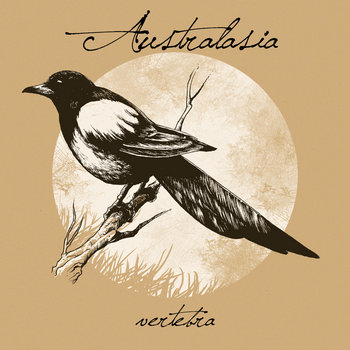
Australasia – Vertebra
Genre: Post-Rock

         Australasia, taking its name from a Pelican album, is a one-man post-rock project from Italy. The band only recently put out their debut record Vertebra in September, and if it hadn't been for their kind suggestion on last.fm that I check them out, I'm positive I would have missed this little gem of an album. Vertebra's approach to genre transcending is that it shouldn't be too jarring, and as such moves between electronic flourishes, metal mourning, and post-rock joy with utmost ease.
           I can't say anything about the songwriting except that it's absolutely wonderful, and despite the band's newness they seem to have quite a hand on making every song memorable. 'Vostok''s electronic sections flit in and out of the foreground, only to be replaced near the end of the song with a gentle acoustic guitar that echoes the synthwork as the music slowly fades out. 'Zero', the song that follows, is heavy and oppressive, using electronics to accent the drum-and-bass heavy rhythm before bursting into the unthinkable – a blast beat. The metal elements on this record mostly take the form of an odd blast beat, distorted riff, or chunky bass. Vertebra is less about riffs than it is about textures – what did you expect, it's a post-rock band – and this is where it shines, echoing bands like Cult of Luna. 
         There's something in Vertebra for everyone – fans of Ulver's new material will enjoy the ethereal-yet-pounding electronics of 'Aura', while fans of Pelican will find comfort in the metallic might of 'Deficit'. But the best thing about this record is that they'll inevitably like most of what this record has to offer. Vertebra should be the rallying cry for genre abolitionists, as it objectively proves that pigeonholing music makes it stale. Vertebra is dense but never feels so – the airy passages and echoing percussion play off one another to give the illusion of a distinctly large piece of music. But even as it's grand in scope and impossible in genre conventions, the album is so methodical and well-thought out that it never stumbles – adding to just how great Vertebra truly is.
           My favorite albums are those that continue to offer up new material after the first two or three listens – that somehow manage to pack so much that you can't help but feel like you're listening to a new record each time. For Vertebra, this is the case. To say it's pretty damn good wouldn't do it justice – this is one of the best debuts I've ever had the pleasure of listening to. You can buy the album and support this talented motherfucker at his bandcamp. Do not hesitate. This is an excellent record.

Fyrnask – Eldir Nótt
Genre: Black Metal

           In tune with the ebb and flow of the forest, Fyrnask are a German black metal act who specialize in an eerie, shamanistic variant of black metal – not totally unlike what you'd expect from the forests of Washington state. But where Wolves in Throne Room or Fauna were a group of atavistic hippies, Fyrnask has maintained a more grounded, orthodox sound since their 2010 demo Fjorvar Ok Benjar which, while it has been subject to some stylistic changes, maintains a powerful love for Norwegian bands – Windir especially.
             This trend continues in Eldir Nótt, the newest brainchild of Fyrnd, sole instrumentalist behind the act. Impossibly, though, Eldir Nótt raises the bar even higher for the ritualistic sound Fyrnask has touted so proudly – but this is no meditative forest walk. As the introduction ponderously unveils itself – gong and everything - the epic scope of just what is going on becomes terrifyingly clear. You can almost see the circle of candles dance spectrally in the wind as Fyrnd enters with mysticism dripping from his guitar. In a lot of ways, it's in this introduction that we really get a taste for what's new on Eldir Nótt – namely, the ritualistic element has been turned up way past what we've come to expect.

            With the guitars droning into effervescently into gloom, and the drums echoing Wolves in the Throne Room's waterfall-like taste, Eldir Nótt, rasped in an ancient Teutonic tongue, could easily have been chanted rites from deep within the forests of heathen Europe – and it's the ease with which Fyrnd conveys that imagery which is absolutely astounding. 'Vigil' moves from rainy grey to profound, soaring black in the scope of two minutes, eschewing blast beats for rhythmic pounding and hissed, barely-audible incantations nearly indiscernible from the cymbal crash. Eldir Nótt also features a whole host of instruments beyond the standard metal accoutrements – brace yourself for gongs, horns, bongoes, flutes, fiddles, and everything in between.
             Atmospheric black metal tends to mix quite a bit with drone, as the emptiness of the mountains is easily represented through sheer simplicity, and it's in Eldir Nótt's dronier sections that the album truly starts to shine. As much as the riffing on songs like 'Jarðeldr' or 'Saltrian' is memorable as Fyrnd layers tremolo'd riffs atop lower, more metallic soil, the ambient portions that yawn between these passages, in which the pace slows to a crawl and Fyrnd's spectacular percussion skills take a much-needed breather, are far more admirable. ' Jarðeldr' takes nearly three minutes to reach its zenith, but the time absolutely flies as your mind soars across the Ginunngagap. The buildup that happens in the latter part of the twelve-minute epic is absolutely jaw-dropping even as very little actually happens but the instruments get louder and a skin drum beats lazily in the cold air. 'Suonnas Sedir', the album's shortest at three and a half minutes, revolves around a melodic acoustic guitar as the wind – uncannily similar to wheezing breath – whistles in the background and a solitary frequency permeates.
           Windir and Ulver may have been the blueprint for Fyrnd's dark brainchild, but the rest is pure innovation. Eldir Nótt is, in many ways, the more ritualistic counterpart to the insanity of Wormlust's The Feral Wisdom, together comprising some of the most incredibly mind-expanding new black metal of the past year. This album is heavily recommended.

The Devil Wears Prada – 8:18
Genre: Metalcore

        The Devil Wears Prada are potentially the most blatant example of the transition metalcore has gone through over the past few years. Beginning in the mid-2000s as the most MySpace of MySpace bands known to mankind – songtitles like 'HTML r00lz d00d' – around 2010 the band abruptly and incomprehensibly changed course, opting for a decidedly bigger attempt at legitimacy. After a spontaneous EP about a zombie apocalypse – widely considered their best material – 2011's Dead Throne saw the band start trying to be serious with an album about idolatry and featuring Tim “attempted murder” Lambesis.
         8:18 is a continuation as the adorable little crabcore band that covered 'Still Fly' back in 2006 names their album after a bible verse (“I consider that our present sufferings are not worth comparing to the glory that awaits us” - Romans 8:18) and dresses less like Attack Attack! And more like the Black Keys. Unfortunately, changing their image isn't totally enough to actually be taken seriously. It also doesn't help that, while 8:18 is a progression from Dead Throne's sound, the band's newness and laughable attempt to cover up the fact that they're playing metalcore result in some awkward moments.
         Opener 'Gloom', which gives way to 'Rumors', lacks a cohesive hook, and bashfully hides its breakdowns behind electro fuzz and blatant attempts to be taken seriously. Sure, Jeremy DePoyster's clean vocals provide a rallying point behind the horribly mundane instrumentals, but the opening two songs are totally forgettable, and the fact that the band seems to be proud of them adds insult to injury. 'First Sight', the track that follows, is far more memorable because it sounds closer to the more nose-to-the-grindstone (read: good) tracks of Dead Throne and even echoes as far back as Plagues (2007) with its downplayed synth.
         While the metalcore elements are, as expected, highly uninteresting, 8:18 introduces a novel industrial element to several of its tracks – 'Care More' and the intro to 'War' before Mike Hranica ruins everything with his silly uncleans – that present a potentially interesting twist for the band if they decide to take it. Unfortunately, however, they won't on this album – the title track is pure melodrama, narrating violent streets as Mike Hranica howls angstily about the end of human life.
         To be quite simple, the band are trying to do too much to fast. While their initiative is commendable (the new Blessthefall and August Burns Red were regressions if anything), TDWP still don't completely have a hand on how to do it. But to be completely honest, in metalcore this is commendable considering how dry and static the genre is. Most track on 8:18 show quite a bit of promise, and the main reason quite a few of them fall flat is because everything hovers in the empty space between metalcore and industrial. While I'm doubtful anyone in the band has heard of Ministry, here's to hoping the most poorly-named band in the world will finally shake off their uninspired beginnings and interject a shot of novelty into metalcore.
Notable Tracks: - 'First Sight', 'Black and Blue', 'Care More'.

Satyricon – Satyricon
Genre: “Black 'N Roll”

           Despite being lauded as one of the most seminal and influential Norwegian black metal bands to come out of the early 90s, Satyricon have, paradoxically, come under fire for failing to capture the same magic that their debut records such as Nemesis Divina or Dark Medieval Times had in such spades. Further additions to the Satyricon lineup were at best forgettable and at worst grating, but that hasn't stopped the band from relentlessly pushing on. And, as luck would have it, their self-titled 2013 release finally has Satyricon playing a fun, if conspicuously un-trve take on black metal.
              During my writeup of Kvelertak's Meir, I voiced my dislike of the term “black 'n roll”, finding it redundant and a blatant attempt for black metal fans to distance themselves from “good bands gone bad”. Sure, the rollicking beats and bounce of Dissection's Reinkaos or anything Vreid has put out isn't very black metal sounding, but we're talking about a genre with roots in 80s speed metal – and while Satyricon's self-titled is definitely retrospective, it's got its fair share of moments.

             Now, I'm not going to lie – this record isn't going to be on many people's top ten of the year. Missing from this record is the explosive ferocity of Kvelertak and the devil-may-care rock 'n roll aesthetic that makes bands like Whiskey Ritual so memorable. Instead, though, Satyricon's decision is to inject a methodical, mid-tempo twist into things – essentially, the band is playing Black Metal Lite throughout most of the record, which would work if the band really put a lot of stock into being hypnotic and dirge-y, but that's where Satyricon fail.
            Quite simply, most of the music on this record doesn't take any chances. While I do like the regal pace of 'Tro og Kraft', there's not enough rock panache or black metal fury to really distinguish it from the rest of the pack – what little interest I had in the song comes near the end, when the blast beats start flowing. 'Our World, it Rumbles Tonight', on the other hand, is tons of fun the entire way through, as it rises in intensity to a glorious climax while always having plenty of energy in the form of relentless drums before breaking down into a breathy, evil break with Frost hissing 'shadow...'.
            Satyricon is an album about going back-and-forth between good and awful, the latter of which could have easily been fixed if they had a few more riffs or were just a twinge bit faster. It's fairly unfortunate, because there's no energy about this record, for the most part. For a genre that doesn't often get all slow and doom-y, Satyricon tries to pull it off quite a bit, going for a murky sort of sound that ultimately comes off as fairly uninteresting. But when Frost and Satyr turn things up, as is the case during the buildup on 'the Phoenix', is when the record starts to shine. To be completely honest, I didn't love this record, but if you're up for some fairly trivial soft rock with unclean vocals, check it out.
Notable Tracks: 'Our World, It Rumbles Tonight'.

Vattnet Viskar – Sky Swallower
Genre: Black Metal

           Don't let the Swedish of their name fool you – Vattnet Viskar are a band from my neck of the woods – New Hampshire, to be exact, and the music of Sky Swallower, the band's first full-length, reflects the mountains of their home. Beginning with a fairly straightforward black metal riff, it's only in the later moments of 'New Alchemy' that we're treated to a barrage of interesting ideas, from melodic licks soaring above the tremolo, to largely ambient breaks replete with echoing notes.
              This is a bleak, desolate record. There is no purchase to be found in the sorrowful melodies and cold corridors that fill the silences between metal howls and rage. Even as the band moves back and forth between punishing percussion and sleepy drone, there's a pervasive melancholy that dogs Sky Swallower the entire way through. 'Fog of Apathy' begins with a lengthy passage consisting only of one or two notes, which rise slowly into the silence and then disappear just as they begin to grow overwhelming.
           
  As the silences yawn, it makes the inevitable arrival of the distorted guitar and drums all that much more spectacular, and as the tremolo'd riffs stack atop one another beautifully and melodically, it's easy to get lost in their hypnotic lulls. Sky Swallower is based around a rather simple premise – moving back and forth between harsh reality and flighty escape, and it executes the difference between those two states flawlessly, with the intensity of both the black and doom metal sections playing off of one another in a way that largely magnifies the other.
             At 38 minutes, Sky Swallower is a concise, meticulous dose of disparity that somehow manages to cram in abysses of silence and powerful, lonesome metal. It's an intense record in terms of just how different the record can be at different points – at times it echoes Earth's lush-yet-barren sound, while at others Immortal's freezing claws wrench upward and howl at the sky. When the black metal riffing isn't there, the silences seem that much more ponderous, and as the crash of the guitar returns anew, it's easy to feel overwhelmed. All in all, Sky Swallower is an interesting ride through tangles of music so different that it can sometimes be jarring.
Notable Tracks: 'Breath of the Almighty', 'Fog of Apathy', 'Apex'.


Wednesday, January 15, 2014

Year in Review - the Releases of August 2013

Watain – The Wild Hunt
Genre: Black Metal
         Following the praise and ire their malevolent 2011 opus Lawless Darkness drew, Watain were deemed guilty of the gravest sin the black metal community could muster – the Swedish outfit had abandoned their underground roots and done the abominable: sold out. A signing with Century Media seemed to confirm this notion, and this August The Wild Hunt provided the final nail in the coffin that the band have ascended beyond their orthodox, by-the-books approach to black metal and put a new, intense spin on it.
            To be completely fair, it was a move everyone should have seen coming, and while the Wild Hunt's decidedly un-trve elements are up in your face as much as possible, instead of lurking in the background as they were on Lawless Darkness, Watain's transformation has been going on since 2007. With the exception of their pummelling first two releases, Watain's music has swapped the murky for the epic, and the Wild Hunt makes this abundantly clear from the start – with the instrumental introduction 'Night Vision' building in eerie majesty to a heart-throbbing climax before segueing to the equally excellent 'De Profundis', which is one of Watain's only throwbacks to their earlier material (the other being 'Sleepless Evil').
             With the Wild Hunt, Watain inch every so slightly more outside of the well-travelled terrain of trve black metal, and to their credit succeed very well, given since their inception the band has been devoted to maintaining the danger of black metal's beginnings. And, to be honest, the Wild Hunt does danger and trepidation a lot well than previous Watain outings, which were all about murky, lo-fi instrumentals and occult imagery. The piercing blackness and hate suffusing this record are undeniable as, on tracks like 'Sleeping Evil' or 'De Profundis' the band uses malevolent, ringing clean guitar to accentuate and slowly mount the horrible tension. It's in this new approach to songwriting that new Watain records really shine the brightest – while Casus Luciferi was fun, it was fairly nondescript by-the-books black metal. If you wanted something more, that's where the Wild Hunt delivers.
              There's a sense of dark power pulling you along the corridors of this record – 'All That May Bleed', the record's debut single, is a catchy, mighty odyssey while the title track is slow, blasphemous, and features clean guitars ringing effervescently in the gloom. Even the much-discussed 'They Rode On', which can only be called an 80s ballad, is a dark cosmic story of gods whirling and dying through space and time. Erik Danielsson's clean vocals are used sparsely but tastefully to heighten the epic taste and borderline NWOBHM obtuseness that pervades the passages of the Wild Hunt.
          There's a whole host of interesting ideas and influences that Watain drag into the abyss with them on this record – from the borderline catchiness of songs like 'Outlaw' and 'Black Flames March' to the aforementioned clean vocals of 'the Wild Hunt' and 'They Rode On', the Wild Hunt features the band at their most versatile and definitely most memorable.
           One of the record's most commendable qualities, though, isn't its refreshing and awesome textures and ideas, but the fact that each of these songs is pretty damn amazing. Even when the grooves of 'Outlaw' are done, and it's a return to the unorthodox structures of previous Watain outings, the intricacies of the music, and the constant back-and-forth of the bass and guitarwork carries this record through sheer force of axe. For fans of Watain's newer material, or for those looking to get into Watain in general, the Wild Hunt is a very good place to start or continue.
Notable Songs: 'All That May Bleed', 'Sleepless Evil', 'Holocaust Dawn'.

Avenged Sevenfold – Hail to the King
Genre: Heavy Metal/NWOAHM

        The kings of nu-80s bombast and drawing the scorn and hatred of metal purists returned this summer after a three year silence, the loss of their drummer Jimmy Sullivan in late 2009, and the awful whinefest that was their 2010 record Nightmare. Avenged Sevenfold's progression from another uninteresting Californian metalcore band to one of the most well-known and recognized rock bands is, while commendable in its own right, not totally without fault.
          Since 2005's stellar City of Evil, the band have scaled back both most of their more inflammatory metal accoutrements – unclean vocals, abrasive instrumentals, and religiously charged imagery - in lieu of more radio-friendly melody and Guns N Roses worship. And then, in 2010, A7X fans were treated to a barrage of poorly executed and strung-together ideas and pessimistic grumbling. Thus, it was with fairly low expectations that I approached Hail to the King, the band's newest effort and their first with drummer Aren Ilejay, and while I was pleasantly surprised, there's still a lot of ground to be broken by the band before they're back on par with City of Evil.
           I can't say much about Ilejay because, quite simply, his drumming on the record isn't nearly as technical as Sullivan's was – 'Doing Time' is a relatively mid-tempo 80s salute, replete with rambling guitar solos, courtesy of Brian “Synyster Gates” Haner and lyrics about drinking too much. Ilejay's role in the band is to support, not lead as Sullivan did. And that's not entirely his fault – Hail to the King has the band finally embracing their groovy, Motorhead-shocked influences.

          It's the band's first outing where they aren't singing about personal struggles to appeal to the average thirteen year old, and while that's commendable, Hail to the King never flirts with anything other than total accessibility – you'll see no bizarre variations in song structures or riffs that go too far. That's not to say the songwriting is bad – in fact, Hail to the King could very well be the band's best in a few ways (well, maybe not as good as Waking the Fallen, but still), it's just that it's a highly predictable record.
         And that's fine, because this is a band meant for an average metal dabbler or music fan in general – the kind of guy who stops at Iron Maiden because it's 'too loud'. Hail to the King is catchy, epic to the point of cheese, and while the drums are far too loud (as I mentioned on my review), they do add to the nod-along quality of the record – an important quality for a band going for accessibility.
           But as much as I'm praising the band for their accessible, NWOBHM-studded approach to music, it remains that A7X are very good at producing not very interesting music. This isn't music to enjoy for all of its intricacies and sheer genius – it's music for the gym, for driving to work, or for getting up in the morning. That both helps and detracts – all music has its own place, but when you start looking deeper at this music is when it starts to fall apart. It's an unfortunate shortcoming, but Hail to the King wasn't designed with a music nerd like me in mind.
          As mentioned before, Hail to the King, as should be evident from its name, is a departure from the previous lyricisms of its predecessors in that it embraces exactly what the band have been touting for years – and does it pretty damn well at that. 'Crimson Day''s intro could be from a Judas Priest Song, and the Maiden influence on songs like 'Heretic' or 'Planets' is so conspicuous you could cut it with a knife. I'm fairly confident that if A7X stick to the track they're currently on with this record, they'll find a place in the hearts of NWOBHM fans someday. If you're in the mood for mindless jams, look no further, but otherwise you might want to look somewhere else.
Notable Tracks: 'Shepherd of Fire', 'Doing Time', 'Coming Home'.

Born of Osiris – Tomorrow We Die Δlive
Genre: Deathcore/Djent
           If the unnecessarily dumb delta in the album title doesn't tell you, Born of Osiris are one of those djent bands that think if they hide behind scientific terms they'll somehow stop being a fairly uninteresting deathcore band whose fifteen minutes of fame are up. Indeed, if you were following the scene in 2011 you'll remember fans frothing at the mouth for the band's only bearable album The Discovery. It was actually a very well-done album – one of the best of that year – but not long after, guitar virtuoso Jason Richardson quit the band to play for Chelsea Grin (but even he couldn't save the abortion that was Evolve from being horrible, but I digress). Richardson cited personal differences and the fact that everyone else in BOO was high off their ass all the time, and if you listen to Tomorrow We Die Alive, you can't blame him.
           To begin – the title. It's not clever, epic, or anything less than silly. Read it a few times – it's syntactically devoid of meaning. Now, jamming words together to make metal album titles isn't an uncommon occurance – Dimmu Borgir's Enthrone Darkness Triumphant springs to mind immediately as a word jumble title. But unlike BOO, at least Enthrone makes some sort of sense – darkness, who is triumphant, is upon a throne. Tomorrow We Die Alive? What? 'Die' is a verb, you have to use an adverb to modify it, dipshits.
          Regardless, with Tomorrow We Die Alive the truth that Richardson's guitar has carried the rest of the band these past few years becomes painstakingly clear. This record is up to its chest in djent cliches – symphonic synths, uninspired chugging, monotonous vocals about vague scientific concepts and, every now and then, a swept arpeggio or two to remind you that, guys, they're real technical. Intro 'MΔchine' (again with the goddamn delta) is about four minutes of torturously slow buildup to the same lick with a generic 0-0-00-00 breakdown or four thrown in for good measure.
         Tomorrow We Die Alive feels half-assed at best, and downright boring and repetitive at worst. Not even the percussion of Cameron Losch, whose ridiculous, off-kilter skin beating in the Discovery doesn't make a return – instead we're treated to a plethora of songs in the same tempo that do exactly the same thing, except occasionally with a dubstep or electronic wobble thrown in for extra stupid. It feels like the ambitious outlook the band had on the Discovery has evaporated, and the band have regressed to the less interesting style of A Higher Place.
           That's not to say this record is totally devoid of goodness, but at its best it barely scratches the most mediocre of The Discovery. 'Divergency' features some tight grooves, even if the correct word is 'divergence', idiots, and comprises one of the record's highest points. 'ExhilΔrΔte' (seriously, get over yourselves) has vocalist Ronnie Canizaro displaying his most variable range on the record, and the synths actually give the music a bit of a cool feeling. It's not very memorable, but it's better than most of the record. 'Δbsolution' features clean guitars in the background, tight grooves, airy passages, and tons of variation, making it easily the record's best song.
           The most glaring error with Tomorrow We Die Alive, though, isn't BOO's bold trajectory into nowhere, but the fact that they're trying to play uninspired deathcore and djent at the same time – it's clear that they think that if they mix the less technical aspects of djent with the chug and rumble of deathcore that they'll have a winning formula. Well, as monumental as it may be, djent is a derivative of deathcore, so all BOO are playing is deathcore with a different guitar tone, and not even well at that. With the exception of a song or two, this record is best skipped over.
Notable Tracks: 'Divergency', 'Δbsolution', 'The Origin'.

Primitive Man – Scorn (Reissue)
Genre: Doom Metal/Noise
        With a sound that's best described as being run over by a very slow-moving train, Denver-based doom outfit Primitive Man erupted into being this summer with their hideous, soul-crushing debut Scorn. Taking cues from monstrous doom metal, feral crust punk, and ear-shredding pure noise, Scorn is an absolute mammoth of a record, with bass tones monumental enough to flatten a building. From the get-go, the band wastes no time in slamming you with suffocatingly dense pure sound. With all guns blazing and tuned to Drop Hell, the title track's sadistic and brief moment of melody is immediately eclipsed by a return to agony as feedback screeches discordantly crash back all around you. The last three minutes of its eleven minute fallout push heaviness to impossibly new highs, with reality converging to one very small, impossibly packed point as Ethan McCarthy bellows “SCORN! REVENGE! HATE! RUIN! SCOOOOOOOOOORN!”
          With ten eviscerating songs to transform your eardrums into bloody pulp, Scorn was actually released last year independently, but as the band signed to Relapse this summer, their debut saw the light of day and rose to popularity as potentially the year's most mind-crushingly heavy record. With the title track offering a quick and filthy introduction to the record's formula, the band play their way through doom-like riffing laced with the grime and sweat of crust punk. 'Rags', for example, echoes hardcore punk in its chunky, methodical vivisection of an intro before lapsing into horribly slow vocal passages.
 
         It's a formula that Primitive Man tweak ever-so-slightly as Scorn stomps down ever harder. With melodic sections the only flourish in the painful delirium, Primitive Man's approach to doom is to strip it down until the only thing that remains is pure sound. With vast swathes of nothing but drums or reverb, Scorn can begin to drag at points as nothing really happens. Fortunately, the band is quick to return with a new riff or, when they're feeling particularly cruel, a subtle change in feedback frequency. In many ways it can barely be called music, and feels closer to pure harsh noise – 'I Can't Forget' is three minutes of tinny, static sound accompanied by the equally ferocious lyrics “They do not understand your pain. Educate them.”
          Scorn is music meant to hurt. There's no sense of experimentation a la Portal or Torturing Nurse, rather, Primitive Man are all about finding out exactly what makes your head throb and blowing that up a thousandfold. There is no solace or shelter here – even at its fastest ('Antietam') Scorn still as thick as molasses and as heavy as a bulldozer lying flat on your head. I'm no novice to crusty doom, but in terms of unique approach Primitive Man stand unparalleled – and it takes a lot of courage to willingly torture your listeners this much. 
          This album is not for the average Black Sabbath fan or for your friend who jams out to Lamb of God. Nor is this even for that dude you know who jocks Darkthrone, although you're getting closer. Primitive Man's debut is for people with a bone to pick and a disregard for approachability – it's extreme art at its most taxing and suffocating. It's a slog to get through to be sure, but for as much as it is the soundtrack to a high fever, its ingenuity points to a bright future for this gang of degenerates.

Blessthefall – Hollow Bodies
Genre: Metalcore
       I really, really, really shouldn't like this record. I made a pact to myself before I started this clusterfuck of a countdown that I wouldn't touch on the huge wave of mediocrity Warped inevitably forces down everyone's throat this summer, but my love of Blessthefall's 2009 Witness ultimately drew me to their newest record Hollow Bodies.
        It's almost admirable how squarely Blessthefall has hit on every single metalcore stereotype, cramming as many as possible on this miserable little record as possible. A cute vocalist only for cleans? Check. Breakdowns at a dime-a-dozen? Check. Self-important lyrics about helping yourself? Check check fucking check.
        So why the everlasting fuck is Hollow Bodies so impossible to hate? With the exception of the fairly run-of-the-mill 'all guns blazing' introduction 'Exodus' and the banal 'You Wear a Crown But You're No King', Blessthefall's newest is a return to the formula that made Witness one of the best scene albums of the 2000s. It's intense but never verging on unnecessary, catchy as the plague, and while Blessthefall remain loathe to abandon cliches, add just enough inter-song variety to keep your attention riveted.

       'Buried in These Walls' gives singer Beau Bokan space to sing his heart out as the other instruments retreat behind the now-hackneyed 'quiet/piano' metalcore break. In any case, the band haven't really done it before and it's kinda nice to know that Bokan remains one of the few vocalists in the scene not to resort to autotune. 'See You on the Outside' has promise, starting with a fairly classic -core riff, but the addition of a forced breakdown (or two) spoils what would have been one of the record's most forward-thinking additions. 'Youngbloods' could easily have been a great metalcore song, but a mosh call in the form of 'You're just a BITCH!' made me groan aloud.
          Blessthefall are at their best when they aren't constantly moving between Bokan's cleans and Jared Warth's uncleans. Hollow Bodies is a fairly nose-to-the-grindstone heavy album, and Bokan's vocals feel out of place 4/5 times they're used, with the band opting for a slight melodic lilt whenever he starts singing to ruin the song. What made Witness so memorable and 2011's Awakening so forgettable was that the former was far more intense, and while Hollow Bodies is a return to that formula, the goof-ups of Awakening remain.
I really want Blessthefall to be good. They have the potential and the ability as musicians, but they seem unwilling to rise above anything but mediocrity. So many of the songs on Hollow Bodies start out with me thinking 'this is really good!' but then a curveball comes in the form of a worn-out trope and I immediately get discouraged. Jake Luhrs' (August Burns Red) appearance on 'Carry On' is so blatantly a marketing move that I audibly sighed.
         There's not much that can save this record from being anything but totally derivative, but damn if it isn't fun. For as uninteresting and redundant as Blessthefall are in everything, they're pretty damn good at writing hooks. If you're not grooving out to at least one of these songs by the end of a run through Hollow Bodies, then you're clearly more trve than I am. Not worth listening to unless you're either masochistic or a fan of the stuff, but well worth it if you are.
Notable Tracks: 'The Sound of Starting Over', 'Standing on the Ashes', 'Open Water'.


Tuesday, December 31, 2013

Year in Review - the Releases of July 2013

Right in time for the New Year! It feels good to be punctual.

Mammoth Grinder – Underworlds
Genre: Hardcore
          As the title track kicks in, Texas hardcore superstars Mammoth Grinder starts things off in their newest record with an off-kilter riff that holds your arms while the hardcore obtuseness pummels you mercilessly in the stomach. Combined with the brutal album art, Underworlds' first moments are a perfect indication of what's about to happen. As a side project of the prolific riff-mongers in Iron Age – Mammoth Grinder features their guitarist and bassist, with the former doing vocals - the act has had a penchant for infusing hardcore's downtrodden, thick taste with a distinctly death metal outlook. The result is a rapid, destructive onslaught, as the violent rage of both influences culminates in an infectious and unforgettable sound.
        Underworlds is a shift from previous Grinder outings in that the band has eschewed any and all departures from their roots (Scott Vogel would be proud), and instead presents itself as ten songs all under four minutes packed with enough grooves and mosh anthems to get your grandma moving. Underworlds moves between two tempos – all-out destruction and intense, monolithic slow passages as vocalist Chris Ulsh roars through the pulse-pounding 'Paragon Pusher' (Jesus that alliteration) or 'Moral Crux'. The sludge-y groove of Rage and Ruin has dried up, and all that's left is to trample the ground as death metal reigns supreme over the crust-tinged might.
          I started to have problems with hardcore earlier this year as, namely, I branched into doom and black metal, but I've been blessed so far by a bountiful year for hardcore, with bands like Nails, Weekend Nachos, and now Mammoth Grinder packing a concise, powerful punch. Underworlds is a more protracted burst of aggression than the former two, and while Ulsh waxes poetic on his hatred of humanity, the band nevertheless manages to pack each song with enough interesting ideas to actually add quite a bit of longevity.
          The aforementioned 'Roperide', for example, features a lengthy, hissing guitar solo that, while juxtaposed with the brutishness of the rest of the instruments, nevertheless manages to hit you in the small of the back just in time for everyone else to start kicking at you as the song draws to a bloody close. That's, of course, saying nothing of the dearth of catchy riffs and fun the band tantalizes the ear with. But as Underworlds goes into its second half it starts to really explore its death metal side, mixing in a few tremolo'd riffs and tasty licks ('Born in a Bag') to give it a welcome boost back to the forefront.
         To conclude, this is a record that hits all the right hardcore notes on the head – it's catchy, memorable, and cathartic. But Underworlds' most commendable quality is its refusal to compromise any of those qualities as they stray from the hardcore formula. Not only is it hardcore done well, it's hardcore done well with quite a few good ideas.
Notable Tracks: 'Paragon Pusher', 'Cogs in the Machine', 'Breeding'.

Letlive – The Blackest Beautiful
Genre: Post-Hardcore
         Post-hardcore, with the popularity of -core in general, lost most of its credibility as scene kids flocked to it in the mid 2000s as bands like Touche Amore and Dance Gavin Dance trampled the delicate mix of hardcore misanthropy and emo melancholy in the name of -core cliches. At this point, the genre looks bleak, and it would take a particularly innovative and talented band to inject some vitality.
         Fortunately, that shot of adrenaline exploded back into the scene this summer as letlive put out their newest record The Blackest Beautiful, a sequel to 2010's tastefully energetic Fake History. Featuring vocals prodigy Jason Butler's soaring, epic vocals, Fake History was all about throwing insane amounts of material at the listener, and while its frantic take on the genre was a much-needed refreshment, the band fell silent for three years, returning both with a more precise list of ideas and a heap of additional influences.
         I wrote about the band's first single, 'Banshee (Ghost Fame)' back in June, claiming the band had been listening to too much Static-X and hoping they weren't going in a nu-metal direction, and I'm pleased to say they haven't. The Blackest Beautiful retains the incessant energy of previous letlive outings, but in a lot of ways it's more intense, as Butler yells dissonantly on 'Dreamer's Disease'. Part of that intensity comes from the band's new influences as Blackest Beautiful samples liberally from hip-hop's infectious beats, pop's catchy vocal hooks, and -core's breakdowns and ebullient energy. That's saying nothing of 'the Virgin Dirt', which is 100% early 2000s post-hardcore, with its ethereal riffwork.
 
       The result is what can be poorly described as 'unique', with this entire record being a trip in what not to expect as the band moves seamlessly between the various ideas, only letting up the pace a little – like on the intro to 'Virgin Dirt' – before returning to the fray. Butler even belts out a totally unexpected “Proud ass n*gga!” at one point. Lyrically, as usual, letlive exceed expectations, leveling their cynical lens at racism this time. It's interesting and praiseworthy subject matter from a -core band, most of whom are more interested in “saying fuck you to haters”!
          Instrumentally, I could wax about how impressive this record is for hours. If every -core band had an inkling of letlive's talent, no one would complain about the genre being redundant. Without ever veering outside of accessibility and catchiness, the band manages to both make every song stand out on its own and ensure that they don't sound like anything I've ever heard. At certain points, listening to The Blackest Beautiful were so different from what I was used to that it was almost like listening to A Day to Remember back in 2008 again. Just when there's a glimpse of structure, Butler tears it down, whether with a breakdown or sudden segue into clean vocals. If Fake History proved the band had potential, The Blackest Beautiful shows what they do using only a little of it. There's so many good ideas it's difficult to believe the band was on Warped Tour.
        The Blackest Beautiful is, thus, obviously, an evolution of Fake History's ideas, and as the band tries to strike a balance between what they want to play they invariably succeed at everything they put their mind to, cementing letlive as an exceptional band and The Blackest Beautiful as an exceptional record.
         Notable Songs: 'Banshee (Ghost Fame)', 'Empty Elvis', 'The Priest and Used Cars'.

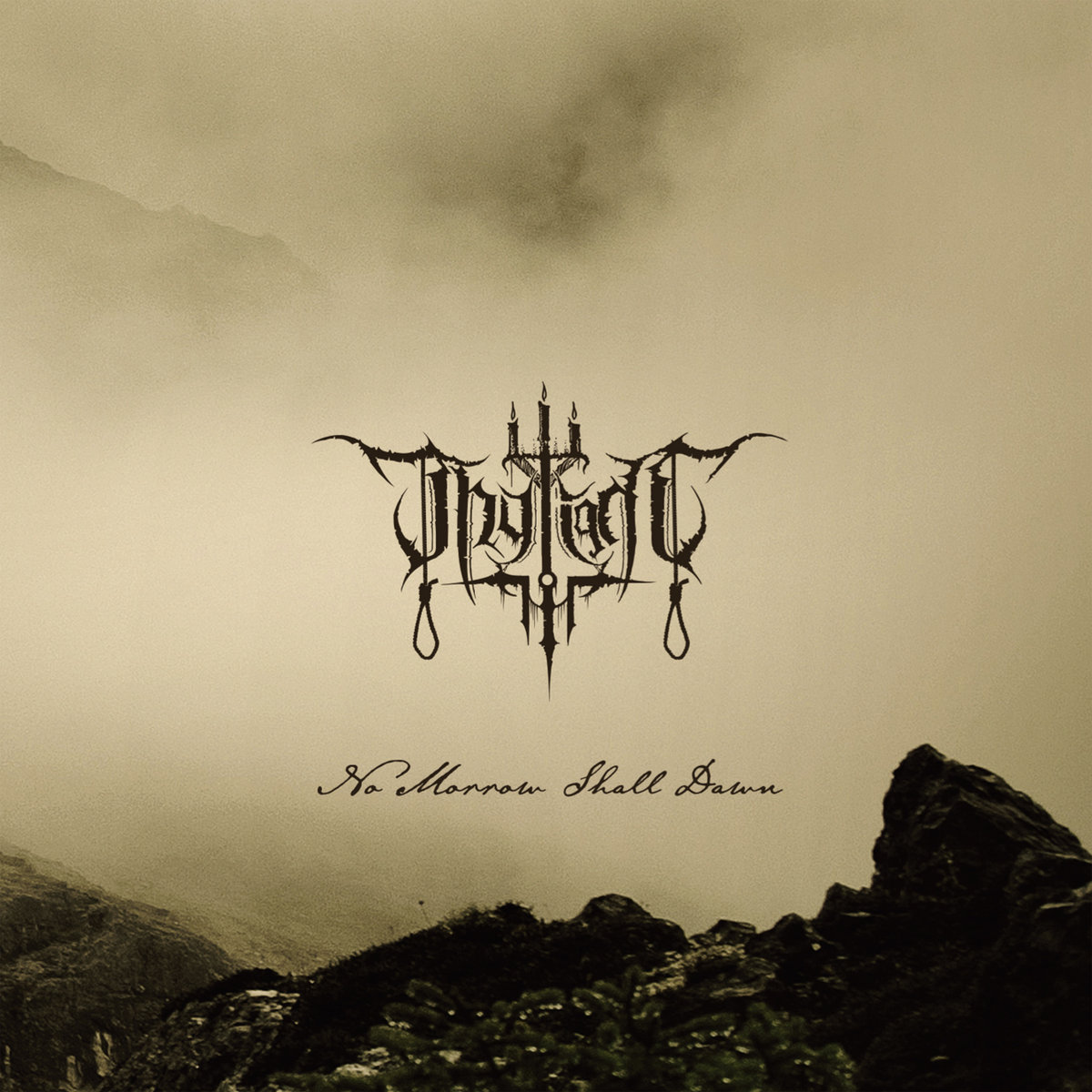
Thy Light – No Morrow Shall Dawn
Genre: DSBM

        Latin America, when it comes to metal, is woefully underrepresented. With the obvious exceptions of Sarcofago and Sepultura, Central and South America's metal scenes have never achieved the same level of fame and renown as their European and North American counterparts. Thus, when a band comes out of Latin America all eyes are immediately on them to see what exactly they can bring to the table.
        This year saw the first full length of a Brazilian act called Thy Light, who, despite hailing from the near-tropics, play a genre that's come to be associated with darkness and cold – black metal. What's more, Thy Light are a DSBM band, and a one-man project at that. The twisted brainchild of Brazilian artist Paolo Bruno, Thy Light are relative newcomers in general, with their first demo Suici.DE.pression making headlines two years ago for its mix of new and old DSBM elements. No Morrow Shall Dawn, the band's first full length, saw the light of day in July of this year, and since then has acquired a polarized status in the metal community, with fans equally praising and criticizing Bruno's latest endeavour.
         At forty-one minutes, No Morrow Shall Dawn is a rather short stop, and takes the form of five long-ish songs – the title track being nearly thirteen minutes – that allow Bruno plenty of time to stretch and display what Thy Light have to offer. Which, surprisingly enough, is equal parts refreshing and attention-grabbing as it is melodramatic and overdone.
        What's most striking at first about Thy Light's music is that Bruno completely eschews the “cold” musical quality that lo-fi production confers upon the music of DSBM giants such as Xasthur, Silencer, and Shining. No Morrow Shall Dawn is crystal clear the entire way through, and in certain ways this works to the record's advantage, especially during its more intense portions because Bruno also inserts, conversely, feelings of heat into the record that, while just as oppressive as Xasthur's cold, work a little bit differently. Anyone who's worked outside during a heat wave knows how soul-sucking it can be, and when Bruno combines those elements with a plethora of DSBM staples – forlorn synths, tormented shrieks, and heart-wrenching melodies, to name a few – the result is definitely not what you've come to expect from depressive bands.

      As far as music goes, No Morrow Shall Dawn finds a new way to torment its listener, except instead of the icy spikes of Niklas Kvarforth, Bruno cloaks the listener in a suffocating, feverish haze, and while it doesn't work all of the time – 'Wanderer of Solitude' is the record's best example – it's a new take on an old idea, and for that reason deserves praise. Even Bruno's choice to include tortured clean vocals is a relatively novel idea, and it works pretty damn well. And because it's so short, No Morrow Shall Dawn doesn't afford itself the opportunity to drag its feet, with its few lighter moments packed with acoustic guitar and emotion.
        Unfortunately, when it comes to everything else, No Morrow Shall Dawn is fairly unimpressive and derivative. The guitars, as interesting and novel as Bruno's idea with them are, sound exactly like what Make a Change...Kill Yourself first laid down in 2000. The lyrics are melodramatic and angsty, coming across as Bruno whining about wanting to kill himself, which satisfies the 'S' of 'DSBM' but certainly not the 'D'. And for as much as I just said about Bruno experimenting with a different source of anguish for his listeners, it's not long before he withdraws to the comfort of the age-old formula, with a ghostly break in the title track and a brief, effervescent instrumental 'Corridor Seco'.
       No Morrow Shall Dawn is a mixed, eclectic bag. While in its later moments it struggles with originality, in its first parts it presents what could be a very new, very interesting take on depressive black metal. While it's abundantly clear that Bruno is ironing out the kinks in his formula, it's also very obvious that he has hit on something special. Even at its most redundant, though, Thy Light have made a truly enjoyable, wretched little album that's quite a blast to listen to.
     Notable Tracks: 'Wanderer of Solitude', 'Suici.De.spair', 'The Bridge'.

Hands Like Houses – Unimagine
Genre: Post-Hardcore

       When I first stated this blog a year ago, I was hopelessly head-over-heels in love with Australian post-hardcore act Hands Like Houses – who put out their first excellent full length Ground Dweller last March. Following a rigorous, trying tour cycle, the group released their newest record Unimagine this past July. Even as I sank deeper into the mire of metal, I'd find myself coming back to Hands Like Houses as a good example of -core done really well. At first glimpse, though, with only a year or so between studio releases, it seemed to me that there was no way the band could make this new record as exceptional and amazing as Ground Dweller. Well, as it turns out, I was semi-correct.
       The Hands Like Houses formula is immutable – mix intense instrumentals with gnarly hooks, soaring vocals, and thoughtful, colorful lyrics, and the result could make even the most diehard metal fan give -core music at least a little bit of quarter. Or, if you're a falsie like me, melt my heart entirely. Unimagine starts out exactly how I was hoping it would – with the heavy, catchy 'Developments' and 'Introduced Species' immediately kicking things off with a more deliberate, emotional attack than the band put forward on Ground Dweller before trailing off into the band's new ideas.

      Some of these new ideas, however, hurt more than they help. 'The House You Built' shoves forward an undeniable pop-punk influence, and before the taste of pizza is even gone from your mouth, 'A Tale of Outer Suburbia' kicks the juevenille angst up way past what's comfortable with a mix of A Day to Remember-type “growing up is hard” and pop-rock violins. Absent from both of these songs is the intensity of the record's stellar start, and unfortunately it's all downhill from there.
        The middle of Unimagine abandons any pretense of heavy the band wanted to put forward, with quiet ballad giving way to quiet ballad giving way to boring pop rock. It's almost as though Hands Like Houses heard about MCR breaking up earlier this year and decided “hmm. We might as well fill in that blank”!
        Thankfully, it's not a complete failure. The closing three tracks – particularly the finale 'A Fire on a Hill' are a return to form, with intense riffage and infectious vocal hooks. Trenton Woodley delivers again, and even during the record's weakest points he's got an impressive set of pipes on him. But the problem with Unimagine isn't that the band lacks talent – they proved that wrong with Ground Dweller – but rather that the direction they took just isn't very interesting and borderline embarrassing. These guys were one of the only hopes I had for Risecore not being a complete joke, but I guess all good things must come to an end.
         Speaking of ends, the end of Unimagine gives me hope that the band understood what they were good at and decided to explore how to refine the Ground Dweller sound instead of trying to be a pop-punk band. While disappointing, Unimagine does still put forward a few memorable and fun moments, and I'm definitely going to see these guys open for Memphis May Fire in March.
Notable Tracks: 'Developments', 'Wisteria', 'A Fire on a Hill'.

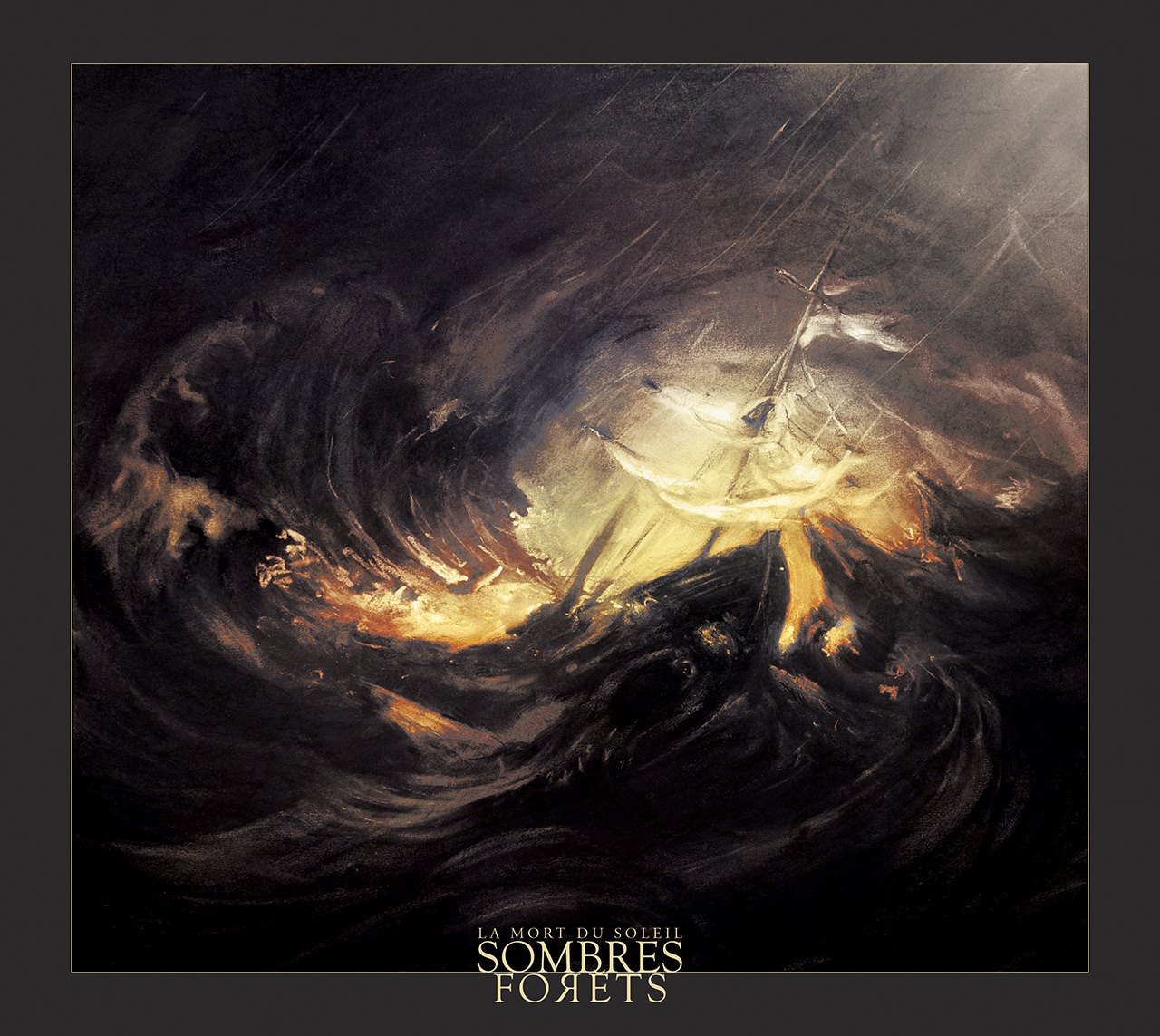
Sombres Forêts – La Mort Du Soleil
Genre: DSBM

          Sombres Forêts are one of the best “métal noir” bands to cast their black spell from the icy plains of Quebec. Another DSBM one-man act, this time from snow-demon Annatar, Sombres Forêts returned this past July of all times with their third and most haunting record yet in the form of La Mort du Soleil, translated as 'The Death of the Sun'. Annatar's previous two works, Royaume de Glace ('Kingdom of Ice') and Quintessence were notable in that Annatar purveyed a more atmospheric black sound, with his wretched vocals adding a depressive accent to the frosty, chilly atmosphere.
           With La Mort du Soleil, Annatar gets down to the root of the matter, stripping away most depressive mainstays to strike at the rotten heart of it all – it's quite unlike any other Sombres Forêts outing we've seen yet, with its refined production and ethereal riffing. I previously talked about how Thy Light had a few novel ideas when it came to DSBM, but Sombres Forêts are really the band this year that take the genre in new directions.
          The question an artist of an overdone genre usually faces is a relatively simple one in theory – how do I get to the essence of what this type of music is about and come up with a new and original way of putting it forward? After the saturation of black metal in the mid 90s following the infamy of the Norwegian scene, artists began experimenting with new ideas beyond the quintessential 'lo-fi Satan' model. But now that DSBM has run its course, its faithful need to have an inkling of ingenuity to actually make worthwhile music.             La Mort du Soleil is admirable in that Annatar clearly and brilliantly shows that he has that ingenuity and boldly portraying a new, refreshing, and memorable take on his chosen genre.
The record opens up with the now-standard ethereal, emotionally draining melodic acoustic guitar of 'Des Epaves' that torturously skates from afar as Annatar's plaintive clean vocals meld with the guitar in what can almost be described as symphonic. But where the album differs from what we've come to expect is in what happens next – or, rather, doesn't. Usually, we'd expect the arrival of cold, aloof guitars, but on this record the haunting solitude persists, even as Annatar's bizarre, reversed howl scratches across the music like nails on a chalkboard.
          It quickly becomes apparent that, with his droning synths and otherworldly, effervescent instrumentals, Annatar has been listening to quite a bit of post-rock. While this in and of itself isn't a new idea when it comes to black metal, the melodic riffs and echoing instrumentals lend La Mort du Soleil a particularly soul-crushing quality. Previous Sombres Forêts outings took the 'depressive' stance in a fairly orthodox manner – aiming to enfold its listeners in waves of wretched feeling and slowly smother them. La Mort du Soleil, on the other hand, with its unusual genre mixing and predilection for acoustic and clean guitars, embodies one feeling strongly – isolation.
         As Annatar roars 'Très loin, il neige dans le ciel...' on 'Etrangleurs de Soleil' – there's the feeling that he is well and truly alone, screaming his loneliness at an unfeeling sky. When the distorted guitars eventually do kick in with a melancholic riff, they serve to accentuate rather than carry what their clean brethren have been doing for the past nearly ten minutes, and eventually fade out, only to return with a crushing emptiness that's punctuated by fierce, cymbal-heavy percussion.
          The rest of the record sees this formula toyed with and refined as Annatar tugs at the listener's heart-strings through a mixture of the aforementioned sorrowful instrumentals and beautifully bleak lyrics, like on 'La Disparition', where he cries (roughly translated): “I leap, as a ghost/ into the ruins of a world/into somber oceans/where moments of agony are extinguished/like fragments of aurora”. Call it my weakness for well-written French, but that's a lot more hard-hitting than a lot of other depressive acts.
The inspiration for the record, as the album art (which, incidentally, is from none other than Fursy Teyssier of Les Discrets) and track titles hint, is a ship burning in the middle of the ocean, and it's with this imagery that the record's interplay between heavy and all-extinguishing (fire) and mournful and eternal (water) makes the most sense. It's a truly beautiful and harrowing trip that can't be adequately put into words, but if you want to make yourself feel sad, Sombres Forêts' newest outing is sure to deliver.
Notable Tracks: 'Des Epaves', 'Au Flambeau', 'La Disparition'.

True Widow – Circumambulation
Genre: Shoegaze

          What do you get when Relapse Records signs a shoegaze act? Well, you get a strange, but nevertheless fascinating mix of stoner rock and shoegaze that Texas band True Widow have been peddling since 2008. With their newest release, Circumambulation, the band hits on their most discerning sound yet, providing eight lumbering, exhausted and dejected songs to make you feel bad.
          Negative-sounding stoner rock is something of a rarity, with the only other purveyor I can recall being ASG's newest album, but True Widow manage to heighten that sense of abject hopelessness by resolutely and firmly staring at their feet for the entire duration of the record. The obscuring mist of shoegaze that permeates Circumambulation is thick and oppressive, adding heaviness where there wouldn't be with vocalist Dan Hill's dead tired vocals and guitarist Nicole Estill's plodding, lonely bass work.
         A fair amount of songs on Circumambulation revolve around a single riff or guitar motif being repeated as the other instruments of the band – bass, drums, and vocals – do most of the shapeshifting, with the guitar changing the groundwork a scant few times. It's a hypnotic and unusual approach to music, which makes sense when you consider the band's source material.
 Circumambulation's sound is the Californian doom band Black Math Horseman who released a record in 2009 and vanished. When Estill takes over vocals, especially in the minimalist riffs of 'Four Teeth' or 'Numb Hand', this similarity is heightened. Otherwise, however, I'm coming up short when it comes to naming a similar act. This in and of itself imparts Circumambulation with a special sort of power – the band are absolute pioneers, with very little to compare themselves to or hold them down.
       But on the topic of their influences, it's noteworthy to say that True Widow's sound is totally their own. The catchy, bass-heavy hooks of stoner rock and echo and lull of shoegaze are certainly there, but both are taken totally out of their element. The closest band I can think of to
          In a way, though, Circumambulation is a return to form – with the band peeling away the extraneous layers of rock and shoegaze and getting at the bare bones of the equation – mixing shoegaze's wistful, slightly bitter taste with rock's din and clamor into a bizarre hybrid that rears its head the highest on the seven-minute 'Trollstigen' around the five-minute mark or on the following 'I:W:O' – there's a hint of Thou or Earth in there, with the slow, echoed guitar work yielding to just drums, but before long the band have returned to their own downcast ideas.
          There's almost a certain contrast to the ideas at play here, with effervescent instrumentals totally at odds with the heavy, nostalgic guitar that drips with oppressive heat. And with Williams' vocals constantly giving off the impression of total resignation and exhaustion, it's easy to get totally sucked in to the mix of catchy percussion and mighty guitars. Because, in a lot of ways, Circumambulation is truly beautiful music.
      It's highly evocative – conjuring up mental images of foggy sunrises in the countryside in all of their solitude beauty. There's a specific type of loneliness to True Widow's sound that contrasts with the epic depression of artists like Sombres Forêts – if the latter were shouting his sorrow and trying to drag the listener down with him, True Widow are content to keep their solitude to themselves, with Circumambulation offering a small but deep window into the band's inner suffering. Fans of doom, stoner rock, shoegaze, and drone will find something to love in this record, and personally, I think it's the band's finest yet.
Notable Tracks: 'Creeper', 'I:W:O', 'Lungr'.

Stomach Earth – Stomach Earth
Genre: Funeral Doom
       Once or twice a year, a funeral doom act tends to explode out of nowhere, either with a brand new record or with a monolithic, unnerving debut. Last year saw Bell Witch's Longing emerge from Portland and extend its velvet darkness across the West Coast as the bass-drum duo played their gut-wrenching tunes for the world to hear. This year, however, saw the emergence of the one-man act of Mike “Gunface” McKenzie, who some may remember as the guitarist for the excellent Massachusetts deathcore band the Red Chord.
        McKenzie's band, Stomach Earth, is an abrupt departure from his previous band, swapping the beatdown and hysteria of grindcore for the forboding slow-squeeze of funeral doom. As the first track, 'Void Angel Ritual', kicks in, slowly but surely mounting in intensity through one strained, dizzying riff, Stomach Earth's self-titled debut roars to life, terrorizing and bludgeoning your poor ears in its oppressive atmosphere and sickening crush.
        As I've said in my halfway retrospective, Stomach Earth's debut record is a brutally heavy record – right up there with Primitive Man's Scorn or IRN's self-titled record. McKenzie keeps the game interesting with a plethora of healthy riff changes to heighten the tension and intensify the torture – all the while keeping the tempo at an agonizing crawl. When he's not filling every possible inch with his massive presence, though, McKenzie roars at your damned soul like an embodiment of the devil himself, as on the intro to 'Watchers'.
         A problem lots of funeral doom faces is that it requires you to be in a very specific mood to appreciate – listening to Ea or Ahab when you're not sitting down or meditative is a good way to lose interest. Stomach Earth, on the other hand, tears away any hint of boredom by bringing the rage straight to you – where other funeral doom bands are sorrowful and introspective, McKenzie is bellicose and in-your-face, switching things up and infusing every second of his self-title with enough fury to level a small town.
          Sandwiched between the monstrous riffs and bestial vocal passages, though, there are a scant few seconds of feedback-ridden or shrieking synth horror that serve as a prelude of the brick wall about to fall on your head. 'The One They Fear' remains my favorite example of this, as the guitar work, while still punishingly slow, builds on itself up to a horrible, blood-spitting plateau, featuring an unexpected and dissonant solo. The song lulls you into a false sense of security before heightening the punishment to impossibly new highs. The entire album can be seen in a lot of ways as one massive crescendo of pain, as McKenzie slowly but surely grinds his boot into your head, howling 'I am the one they fear!' as you quiver haplessly at his mercy.


           With only a single song over ten minutes, Stomach Earth is a short album by funeral doom standards, whose pieces often extend past twenty minutes. Call it McKenzie's previous work with punk acts, but in a lot of ways this is welcome. It's very clear from listening that the man knew exactly what he wanted to go for and wasted no time on vacuous holes for you to pick yourself up again. For those lucky enough to survive the sonic onslaught, Stomach Earth promises to deliver on the promise of brutal metal for the masochist lurking in all of us.
           Notable Songs: 'Void Angel Ritual', 'The One They Fear', 'Crossing the Threshold'.